

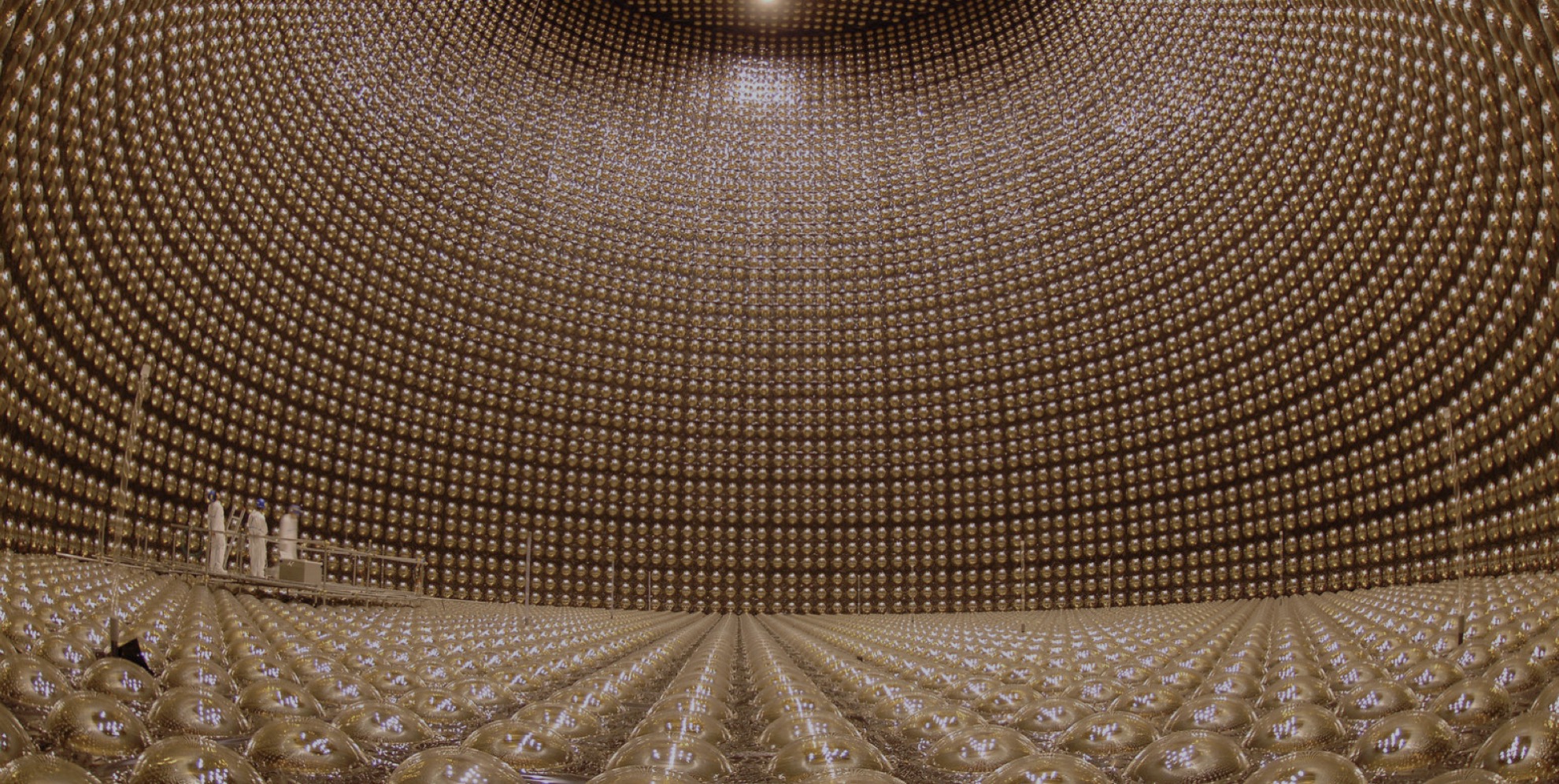
As the most elusive components of the cosmic radiation spectrum, neutrinos offer an unattenuated view into the engines of extreme astrophysical phenomena.
These neutral, subatomic particles have tiny rest masses and interact only via the weak force, allowing them to traverse cosmological distances largely unobstructed by interstellar dust or magnetic fields. Generated by processes ranging from stellar nucleosynthesis and supernovae to active galactic nuclei, they can escape regions opaque to electromagnetic radiation and carry direct signatures from deep within energetic and relativistic sources. Neutrino astrophysics thus serves as a powerful diagnostic tool for studying fundamental interactions and high-energy particle acceleration. Combined with gamma-ray and gravitational-wave astronomy, it provides a robust multi-messenger framework that is crucial for addressing some of the long-standing puzzles of the extreme Universe.