

Cosmic Rays & Gamma-ray Astrophysics

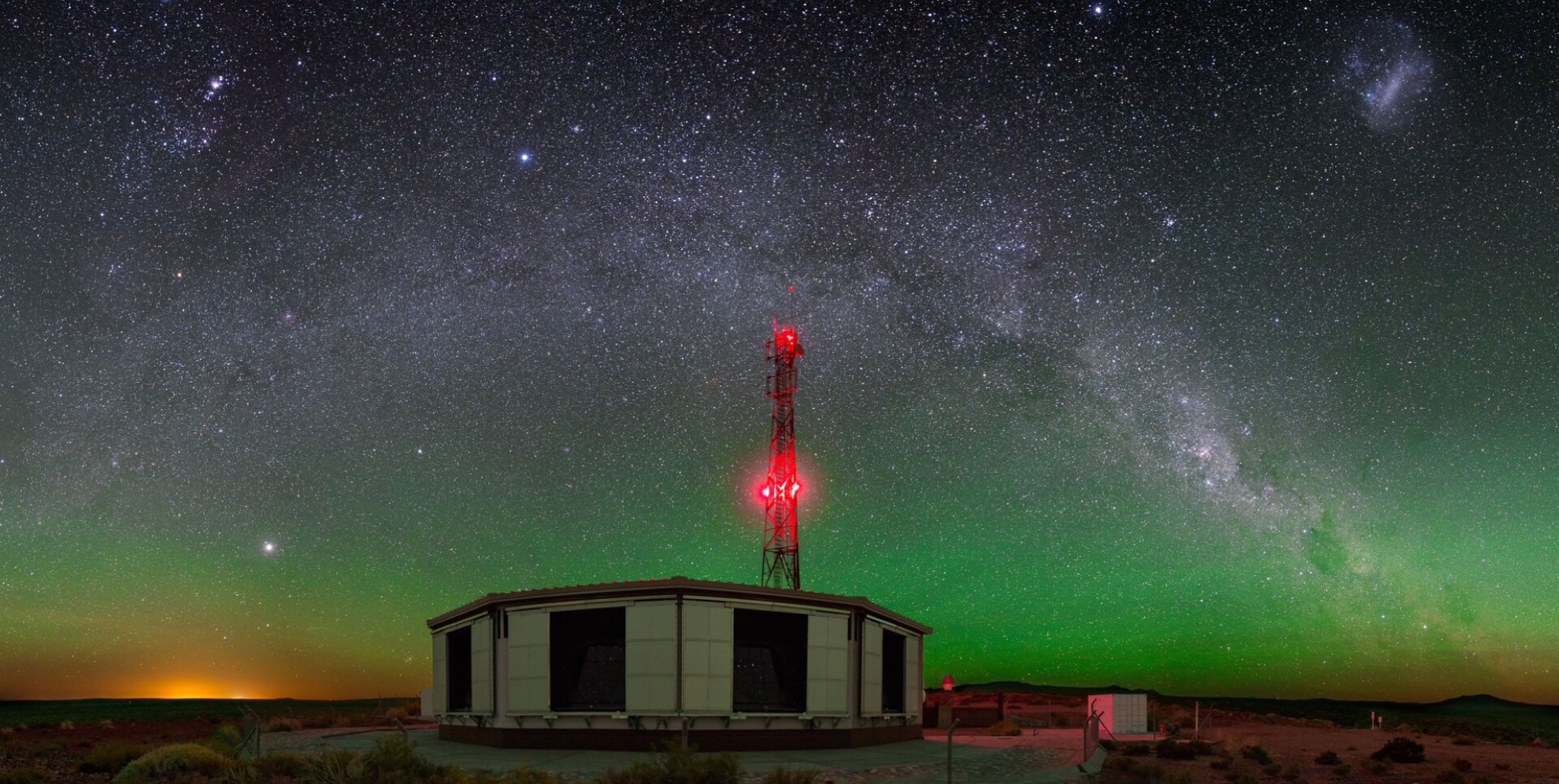
Pierre Auger Observatory

The world’s largest cosmic-ray detector, spanning over 3,000 km² and combining a vast array of surface detectors with fluorescence telescopes to study ultra-high-energy particles from the most extreme regions of the universe and uncover their origins.

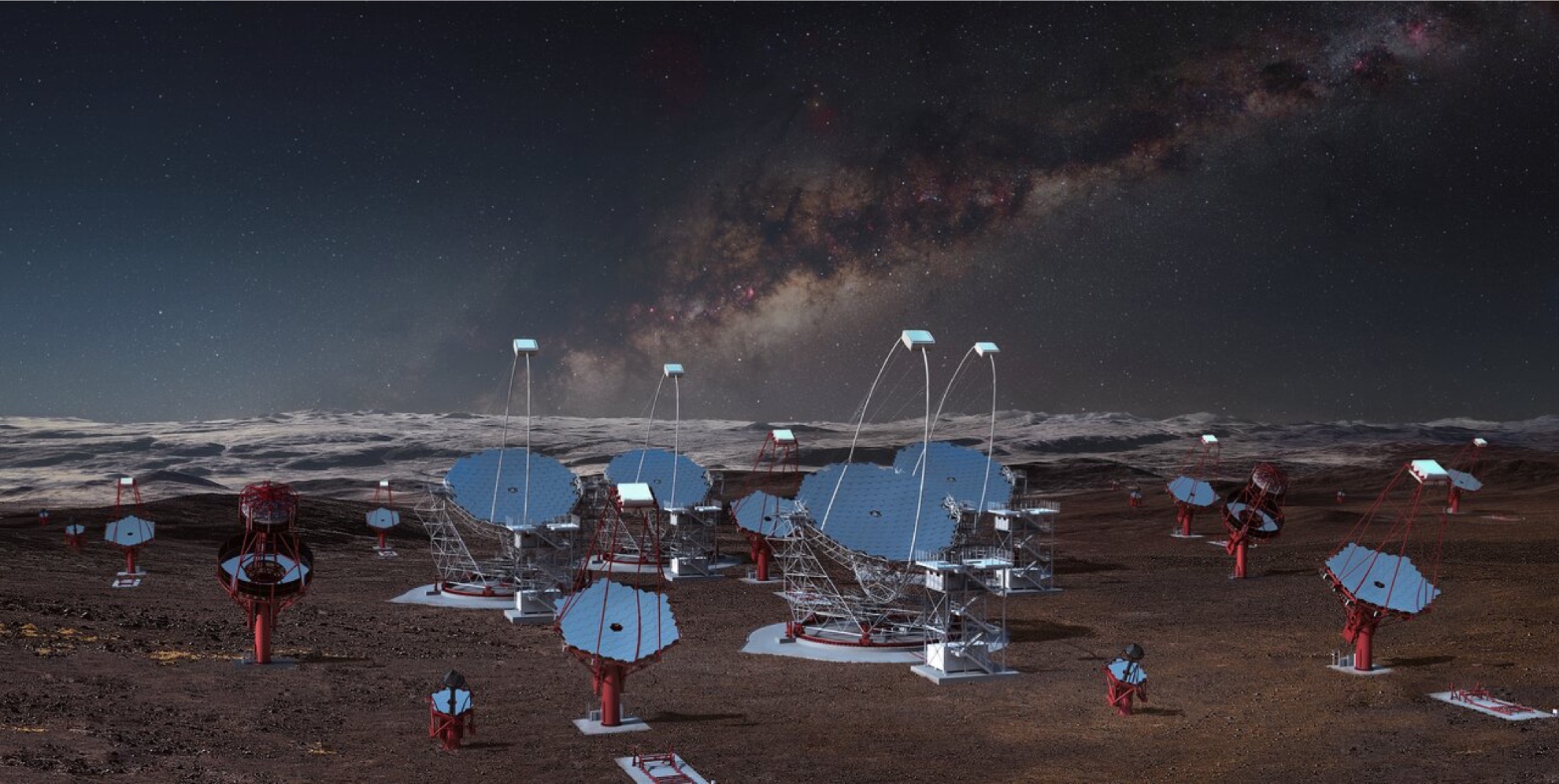
CTAO
CTAO

The Cherenkov Telescope Array Observatory ground-based gamma-ray observatory spanning large sites in both hemispheres, combining dozens of telescopes of different sizes to cover a wide energy range and detect Cherenkov light from atmospheric particle showers.

CREDO
CREDO

Cosmic-Ray Extremely Distributed Observatory is a global, highly distributed cosmic-ray detection network spanning the entire Earth, combining professional instruments with everyday devices like smartphones to search for correlated cosmic-ray events and explore new frontiers in astroparticle physics.

What can the most energetic light in the universe reveal about its most extreme environments?

Gamma rays, the highest-energy form of electromagnetic radiation, are produced by the most violent processes in the cosmos. Emerging from relativistic jets, supernova remnants, pulsars, and other powerful astrophysical accelerators, they carry distinct signatures of particle acceleration and high-energy interactions. Observing these gamma rays allows us to probe environments where particles are accelerated to extreme energies, uncovering physical processes that remain invisible in lower-energy spectra. Gamma-ray astronomy thus provides a unique window into the non-thermal universe, playing a pivotal role in the emerging era of multi-messenger astrophysics alongside neutrino and gravitational-wave observations.